
A Wine-and-Châteaux Day Trip From Paris With Your Own Driver
When the destination is Champagne or château country, the way you get there can matter as much as the tasting itself.
EBy Eva Morel · 11 September 2026 · 5 min read
Eva edits Trackback Collector and writes the pieces that sit between search and distribution. She cares about how a page earns a click, and about what the reader is supposed to do next. From Paris, she keeps each story to one argument and cuts anything that does not serve it.
When the destination is Champagne or château country, the way you get there can matter as much as the tasting itself.

Before generating a single caption, Archie by Agorapulse asks for a source, and that one design choice shapes everything it can and can't do.
Voice drift is the silent killer of AI content programs, here are the guardrails, reviews and playbooks that stop it before it reaches your audience.

After years of stacking apps for every micro-task, social teams in 2026 are consolidating around fewer, source-first tools, and the shift says as much about burnout as it does about AI.

As scheduling platforms bolt AI writers onto their composers, a factual look at how prompt-based assistants compare with source-driven content studios on depth, sourcing, and brand voice.
Every webinar, client call, and internal talk already contains dozens of social posts, the challenge has never been ideas, it's extraction.
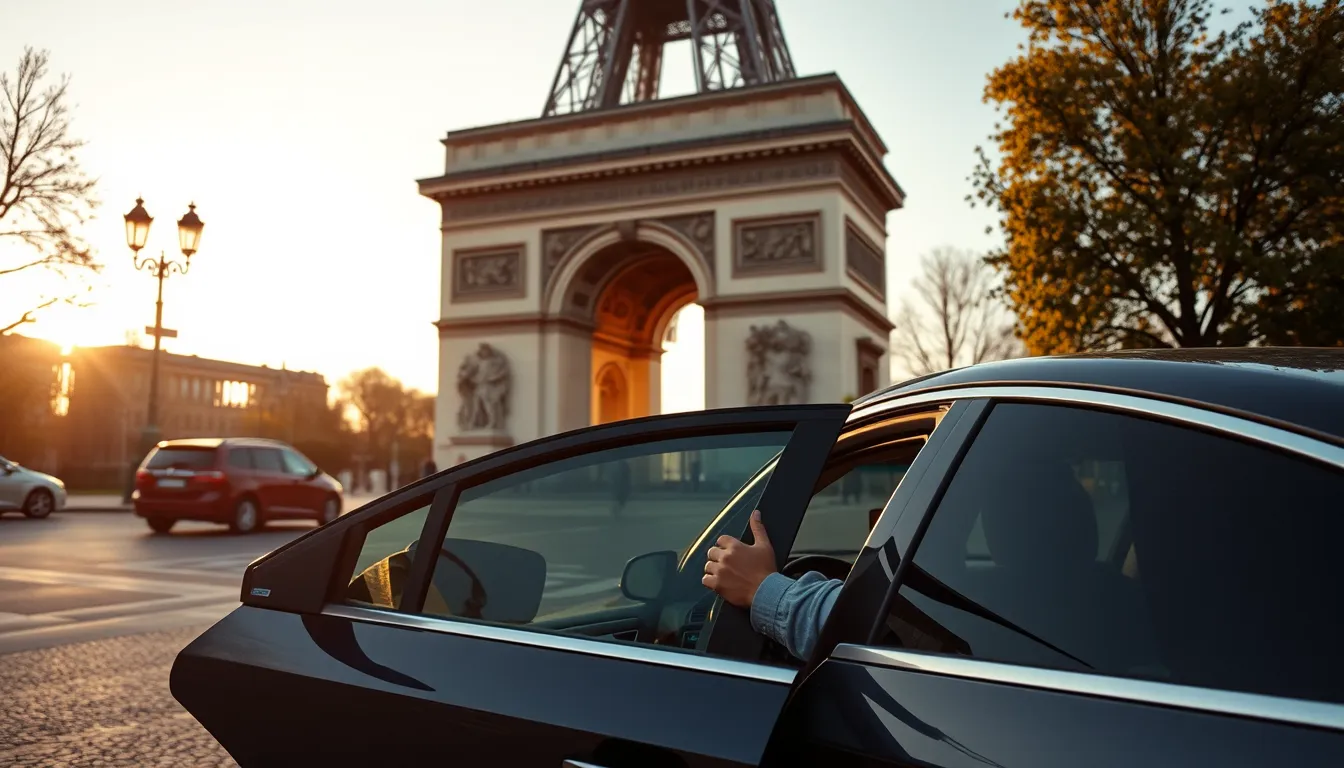
For visitors who want one steady driver, a flexible schedule, and a bit of local help along the way, Paris now offers a growing menu of multi-day private driver services with concierge support built in.
Between vans, people-carriers and the fine print of what to declare at booking, here's how a big family lands in Paris without a single bag left on the curb.

بين الطوابير الرسمية والخدمات الخاصة، إليك كل ما يحتاج المسافر العربي معرفته للانتقال من مطار شارل ديغول إلى قلب باريس.

Aterrizar en CDG después de doce horas de vuelo es el peor momento para descubrir que nadie entiende el español y que el precio del taxi es una incógnita.

As buyers increasingly ask AI assistants for recommendations instead of typing search queries, marketers need a repeatable way to see whether their brand gets mentioned, and the honest answer is that ChatGPT, Claude and Perplexity don't agree with each other nearly as often as anyone would like.
As clients start asking whether ChatGPT and Claude mention their brand, agencies need reporting they can put their own logo on, and a clear sense of what "AI visibility" actually measures.
A practical, four-step playbook for founders who want their company to show up when prospects ask ChatGPT or Claude who to buy from, and a realistic sense of how long it actually takes.

As buyers increasingly ask chatbots for recommendations before they ask Google, marketing teams are turning a manual spot-check into a repeatable weekly measurement, here's what to automate and what to leave to a human.
Traditional SEO platforms still run the show for organic traffic, but they were never built to answer whether ChatGPT or Claude mention your brand, and that gap is now a line item worth pricing out.
As AI assistants replace search boxes for buying decisions, marketers need a shared language for a channel that didn't exist three years ago, here are the 20 terms worth knowing.
Being named first by ChatGPT or Claude isn't the same as being recommended, here's how to read a citation like a pro.
A growing share of software shopping now starts with a question typed into ChatGPT or Claude, and SaaS teams are discovering that showing up in the answer is a different game than ranking on a search results page.
As buyers increasingly ask AI assistants instead of search engines, marketers are discovering that ranking and being cited are not the same game.

For innovation and CSR leaders in logistics, waste, telecom, transport and energy, the hard part of urban innovation is no longer finding startups, it's finding the right ones without wading through hundreds of pitch decks.

In a sector where sales cycles can stretch across multiple budget years, founders selling smart water solutions to city halls are learning that technical merit alone rarely closes a deal.

As climate-and-city startups multiply, founders and officials alike are weighing whether public-backed or private accelerator models offer the better path to real deployment in cities.


A field-level breakdown of which cold-email variables signal real research, which announce a mail-merge, and where AI closes the gap between the two.

The right stack looks different at 1, 5, 20 and 50 sellers, here's what to adopt, what to skip, and where teams typically hit a wall and re-platform.
A vendor-agnostic checklist, data sources, personalization depth, integration honesty, and security, plus the demo questions that separate real products from wrapped GPT calls.

Most ideal customer profiles are written for a slide deck, not a scoring engine, here's how to encode the attributes that actually tell an AI system who to prioritize today.

The best-performing cold emails in 2026 still lean on old structures, PAS, before-after-bridge, and the one-liner hook, but only when the personalization underneath is real enough to hide the skeleton.

The same pitch rarely lands twice, because analytical buyers, drivers, and expressives don't weigh evidence the same way, and AI has gotten good at telling them apart before you're on the call.

Scoring platforms promise to tell reps who to call next, but the smartest sales teams treat the ranking as a starting point, not a verdict.

A growing set of AI sales tools now reads how a prospect communicates, not just what they do, and adjusts the pitch accordingly.

On the quiet compulsion of saving links you will almost certainly never read.

Why the humble paginated webpage remains the most humane unit of reading online.

From dog-eared paperbacks to browser extensions, the urge to write in the margins refuses to die.

What a writer chooses to link, and chooses not to, is an editorial act with consequences.

Recommendation engines don't discover culture, they calcify it.

The design tricks that make you click what you didn't mean to are older than the internet.

In the age of the thread and the hot take, the long essay is having the last word.

How the small act of attribution shapes, and is quietly abandoning, the web's intellectual ecosystem.